Wheelie Bike
 Jetski Race
 Police Drive
 Car Rush
 Super Star Car
 Mountain Bike Racer
 Checkers
 Moto X3M 2
 Moto X3M 3
 Wheelie Life
 Drift Hunters
 Drive Mad
 Smash Karts
 Polytrack
 Survival Race
 Stunt Bike Extreme
 Escape Road 2
 Moto X3M 4: Winter
 Monster Tracks
 Traffic Jam 3d
 Moto X3M Spooky Land
 Traffic Rider
 Bike Xtreme
 Escape Road
 Wheelie Master
 Highway Traffic Riders
 Hill Climb Racing
 Drift Boss
 SoFlo Wheelie Life
 Racing Limits
 Traffic Road
 Drive Mad 2
 Crazy Motorcycle
 Acceleration City
 Eggy Car
 Moto X3M: Pool Party
 Traffic Rally
 Drive Quest
 Hill Climb Racer
 Drift Masters
 Happy Wheels
 Dude Theft Auto
 Slope Rider
 Minesweeper
 Granny
 Mahjong
 Spider Solitaire
 Little Big Snake
Why Balance Became the Core Mechanic of Wheelie Bike?
Balance is the defining element of Wheelie Bike because it turns a simple action into an ongoing challenge. Raising the front wheel is only the beginning. The real difficulty comes from maintaining the right angle as the bike continues moving forward.
A Simple Action With a Real Challenge
The wheelie mechanic gives players an immediate objective. However, holding the bike at the correct angle requires careful adjustments. Lean too far backward, and the rider may lose control. Lower the front wheel too soon, and the attempt may end before reaching a new record.
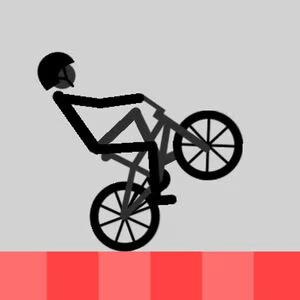
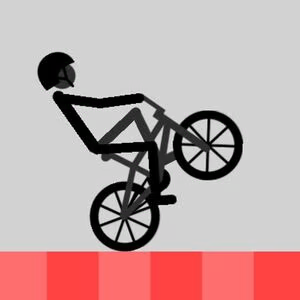
Figure 1. Wheelie Bike challenges you to lift your front wheel
Timing Matters More Than Speed
Wheelie Bike places greater emphasis on controlled movement than on simply accelerating. Players must recognize when to hold an input and when to release it. Small adjustments can make the difference between maintaining balance and ending a promising run.
Every Attempt Creates an Opportunity to Improve
The short gameplay loop encourages repeated attempts. A failed run can reveal whether the bike was tilted too far or whether an adjustment came too late. By learning from these mistakes, you can gradually develop better timing and maintain a wheelie for longer.
Why Simple Visual Design Works for Wheelie Bike?
A straightforward visual style supports the game's central mechanic. Since players need to monitor the bicycle's position constantly, unnecessary visual complexity could make important movements harder to follow.
Keeping the Focus on the Bike
A clean presentation helps you recognize the bike's angle and position without being distracted by excessive decorative details. This makes it easier to concentrate on maintaining balance and responding to changes in the terrain.
Making Movement Easier to Read
Clear visual feedback helps players understand how their actions affect the bicycle. When the bike tilts or approaches an uneven section, recognizing that movement quickly can help you decide whether to adjust your input.
Supporting Quick, Repeatable Gameplay
Simple graphics also suit a browser game designed for short sessions. Players can focus on the challenge, restart after a mistake, and return to the action without needing to learn a complicated interface.
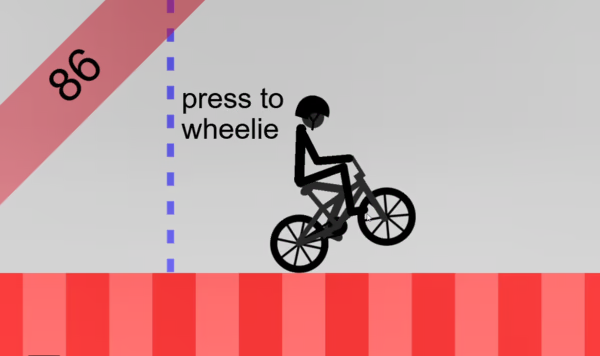
Figure 2. Simple interface design that highlights the character
Things to Know When Playing Wheelie Bike
Gameplay
Wheelie Bike challenges you to ride a bicycle while keeping its front wheel raised. Your main objective is to maintain the wheelie for as long as possible and improve your distance record.
The challenge comes from controlling the bike's angle while moving across the course. Each adjustment affects your stability, so you need to find a balance between lifting the front wheel and preventing the bicycle from tipping backward.
The game is suitable for short sessions because you can quickly understand the objective and focus on improving your performance over successive attempts.
Controls
The controls are designed to keep the gameplay accessible.
- PC: Use the mouse to control the wheelie. Press and hold to raise the front wheel, then release to adjust its position.
- Mobile: Tap and hold the screen to perform the wheelie, then release to adjust your balance.
Control behavior can vary between versions, so follow the instructions displayed in the version you are playing.
5 Tips to Keep Your Bike Balanced in Wheelie Bike
Start With Controlled Inputs
Avoid holding the control for too long when beginning a wheelie. Use short, deliberate adjustments to understand how the bicycle responds before attempting a longer run.
Watch the Bike's Angle
Pay attention to how far the front wheel rises. If the bike tilts too far backward, release the input and make a measured correction instead of reacting abruptly.
Avoid Overcorrecting
Large, sudden adjustments can make it harder to maintain a stable position. When the bicycle begins to lean, try a smaller correction and observe the result.
Anticipate Changes in the Terrain
Watch the road ahead whenever the course includes slopes or uneven sections. Preparing for these changes can help you respond before the bicycle becomes difficult to control.
Learn From Every Failed Attempt
Think about what caused the previous run to end. If the bike tipped backward, adjust your timing. If the front wheel dropped too early, consider holding the control slightly longer next time. Gradual improvements are more useful than repeating the same mistake.
Frequently Asked Questions About Wheelie Bike
What Is the Main Goal of Wheelie Bike?
The main goal is to keep the bicycle's front wheel off the ground for as long as possible while moving forward. Improving your distance record is a key way to measure progress.
Is Wheelie Bike Easy to Learn?
The basic objective and controls are simple to understand. However, maintaining a stable wheelie takes practice because small changes in timing and bike angle can affect the outcome.
Can You Play Wheelie Bike on a Phone?
You can play browser versions that support mobile devices. Touch controls allow you to interact with the game by tapping and holding the screen. Compatibility may depend on the version and browser.
How Can You Get a Higher Score in Wheelie Bike?
Focus on smooth adjustments, watch the bicycle's angle, and avoid holding the control for too long. Reviewing mistakes and refining your timing can help you maintain a wheelie for longer.
What Makes Wheelie Bike Challenging?
The main challenge is maintaining balance while the bicycle moves. Although the controls are straightforward, finding the right timing and correcting the bike's angle consistently requires concentration and practice.
Ready to Take on the Wheelie Bike Challenge?
Wheelie Bike turns a familiar bicycle trick into a test of timing, balance, and control. Its focused gameplay gives you a clear objective from the beginning, while repeated attempts provide room to improve. Start with small adjustments, learn how the bike responds, and see how far you can go without letting the front wheel touch the ground.
See more: