Checkers
 Rally Champion
 Jetski Race
 Police Drive
 Car Rush
 Super Star Car
 Mountain Bike Racer
 Minesweeper
 Moto X3M 2
 Moto X3M 3
 Drive Mad
 Wheelie Life
 Drift Hunters
 Smash Karts
 Survival Race
 Polytrack
 Happy Wheels
 Moto X3M 4: Winter
 Escape Road 2
 Stunt Bike Extreme
 Dude Theft Auto
 Traffic Jam 3d
 Monster Tracks
 Wheelie Bike
 Bike Xtreme
 Moto X3M Spooky Land
 Escape Road
 Traffic Rider
 Highway Traffic Riders
 Wheelie Master
 Traffic Road
 Drive Mad 2
 Slope Rider
 Drift Boss
 Racing Limits
 Hill Climb Racing
 SoFlo Wheelie Life
 Crazy Motorcycle
 Acceleration City
 Eggy Car
 Moto X3M: Pool Party
 Granny
 Traffic Rally
 Drive Quest
 Mahjong
 Spider Solitaire
 Little Big Snake
 Drift Masters
 Hill Climb Racer
The Origins and Development of Checkers
Checkers has a long history, originating from ancient board games before evolving into different variations across various countries. The game is also known as Draughts in many regions, with differences in board sizes, piece counts and movement rules depending on the version. American Checkers is one of the most popular variations, featuring an 8x8 board with 12 pieces for each player. It is also the rule system commonly found when exploring online versions of Checkers.
The idea behind developing the game focuses on preserving the traditional strategy experience while making it easy to pick up. Its movement, capturing, and King promotion rules create a clear strategic system that helps players quickly understand how the game works. However, winning still requires careful planning and the ability to predict an opponent's reactions several moves ahead.
Bringing Checkers to web browsers makes the game more accessible and convenient. There is no need to set up a physical board, as all pieces and moves are displayed directly on the screen.
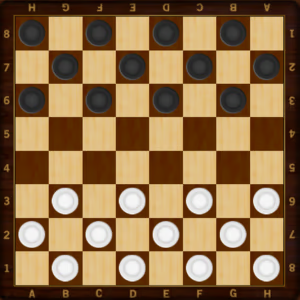
Figure 1. Crown your piece to become King
Checkers Board and Piece Setup
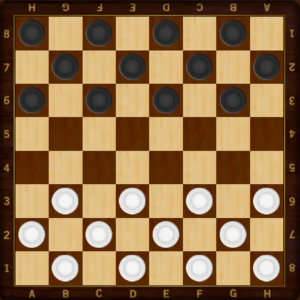
Checkers uses a square board with 8 rows and 8 columns, creating 64 alternating light and dark squares. Pieces can only move on the 32 dark squares, while the light squares are not used during gameplay.
Each player starts with 12 pieces in different colors, usually red and black. The pieces are placed across the three rows closest to each player, with four pieces on the dark squares in each row. The two middle rows remain empty, creating some initial space between both sides.
This setup gives players room to develop their strategies from the very first moves. They need to choose the right pieces to advance, maintain their formation, and avoid positions where they could easily get captured. There are no completely safe areas on the board, so controlling key squares always has a direct impact on the match.
Checkers Rules and Movement Mechanics
Moving Regular Pieces
On each turn, players select one piece and move it diagonally forward to an empty square. Regular pieces can only advance toward the opponent and cannot move horizontally, vertically, or backward.
Each regular move covers one diagonal square. Players need to check the surrounding empty spaces before choosing a position while avoiding areas where their pieces could become easy targets. Maintaining proper spacing between pieces also allows them to support one another more effectively.
Jumping Over and Capturing Opponent's Pieces
Capturing is one of the key mechanics that makes Checkers strategic. When an opponent's piece is positioned diagonally next to yours and the square immediately behind it is empty, you can jump over that piece to capture it.
The captured piece is removed from the board. Under standard American Checkers rules, capturing is mandatory whenever a legal capture is available. Players cannot skip a capture to make a regular move instead.
A special situation is called a Multiple Jump, which allows players to capture several pieces in a single turn. After jumping over and removing one opponent's piece, if the moving piece has another available capture, the player must continue with another legal jump. The capturing sequence ends only when no further captures are possible.
King Promotion
When a regular piece reaches the opponent's back row, it gets promoted to a King. On the board, a King is usually represented by placing another piece of the same color on top of the original one.
Unlike regular pieces, which can only move forward, Kings can move diagonally in both forward and backward directions. This ability makes them more flexible when attacking, capturing pieces, and protecting important positions.
Promoting a King is an important strategic goal in every match. Players need to find ways to advance their pieces deep into the opponent's territory without getting captured before reaching the final row.
Winning Conditions
A player wins by capturing all of the opponent's pieces or leaving them with no legal moves. If a player cannot move any of their remaining pieces, they lose even if some pieces are still on the board.
Certain situations can also result in a draw, such as when neither side can make enough progress to determine a winner under the applicable rules.
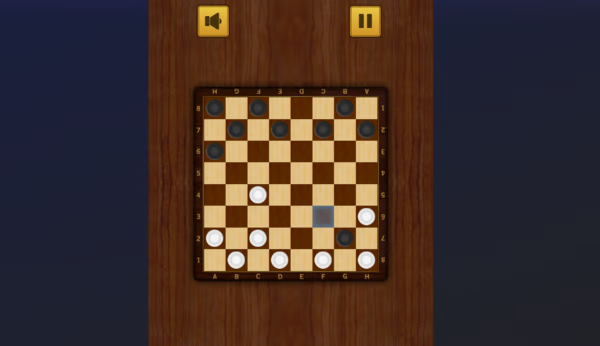
Figure 2. Plan moves to outsmart opponents
How to Play Checkers
Main Objective
The main goal of Checkers is to control the board and eliminate the opponent's pieces through smart moves and captures. Players need to balance offense and defense while finding opportunities to advance their pieces to the back row and promote them to Kings.
Instead of constantly moving forward, every turn should be considered based on the positions of both sides. An effective move creates attacking opportunities while limiting the opponent's chances of capturing your pieces on their next turn.
Controls
Checkers features simple controls that allow players to focus on choosing the right strategy.
- On PC: Use the left mouse button to select a piece, then click a valid square to complete your move.
- On mobile phones and tablets: Tap the piece you want to move, then select its destination on the board.
How Many Game Modes Does Checkers Have?
Checkers offers two main game modes, covering both solo practice and direct competition.
Single Player
Single Player lets you compete against the computer. It is a great option when you want to practice without needing another opponent. Players must observe how the AI develops its formation, identify capturing opportunities, and choose the right moves to gain an advantage. This mode also helps beginners learn the basic rules, especially mandatory captures and King promotion.
Multiplayer
Multiplayer brings direct matches between two players. Each side takes turns controlling their pieces on the same board, aiming to secure key positions and defeat the opponent.
Unlike playing against a computer, Multiplayer creates unpredictable situations because each player has their own way of thinking and developing strategies. It is a great choice for friendly brain battles with friends or family.
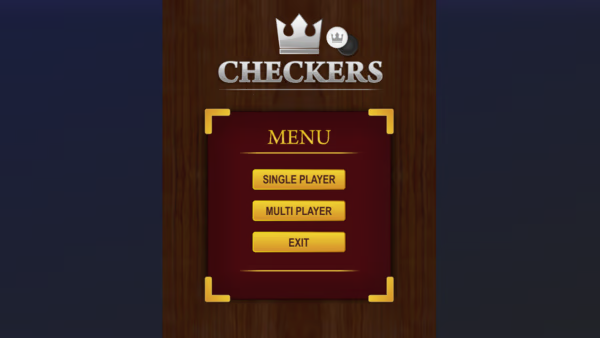
Figure 3. Challenge friends in Multiplayer mode
Winning Strategies to Master Checkers
To control the match, players need to combine different attacking and defensive approaches instead of focusing only on capturing pieces. Here are some important strategies to use during gameplay:
- Control the center: Pieces near the center have more movement options and can support one another. Holding this area makes your formation more flexible when launching attacks.
- Maintain a supportive formation: Avoid spreading your pieces too far apart. Keeping them close allows them to provide defensive support and reduce the opponent's capturing opportunities.
- Take advantage of multiple captures: Look for positions that allow a Multiple Jump to capture several pieces in one turn. This is an effective way to weaken the opponent's formation quickly.
- Protect your back row: Avoid rushing all your pieces deep into the opponent's territory. Keeping some pieces on your back row helps prevent the other player from promoting their pieces to Kings.
- Create King promotion opportunities: Prioritize pieces that can safely reach the opponent's back row. Having a King gives you more movement options and opportunities to counterattack.
-
Think ahead before moving: Consider which positions the opponent can reach before making a move. Predicting potential captures helps you avoid decisions that could put your formation at a disadvantage.
Frequently Asked Questions About Checkers
Is Checkers Similar to Chess?
No. Both are two-player strategy games, but they follow different rules and mechanics. Checkers uses pieces with simpler movement patterns, focusing on diagonal moves, jumping captures, and King promotion.
Can a King Jump Over Multiple Squares in One Move?
In standard American Checkers, a King can only move or jump over one square diagonally per step. Long-range diagonal movement is a feature of certain other Draughts variations.
What Other Racing Games Can You Try After Checkers?
If you enjoy fast-paced action and exciting challenges, Moto X3M is another game worth exploring. It puts you in control of a motorcycle as you race through tricky tracks filled with obstacles, dangerous traps, and spectacular stunts. Each level tests your timing, balance, and riding skills.