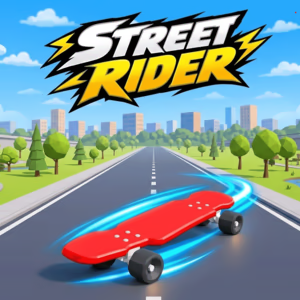
Street Rider
 Cars Arena
 MX Stunts 3D
 Airborne BMX
 Police Car Driving Motorbike Riding
 Rally Champion
 Jetski Race
 Drive Mad
 Moto X3M 2
 Moto X3M 3
 Survival Race
 Drift Hunters
 Wheelie Life
 Smash Karts
 Polytrack
 Moto X3M 4: Winter
 Escape Road 2
 Happy Wheels
 Dude Theft Auto
 Bike Xtreme
 Stunt Bike Extreme
 Monster Tracks
 Traffic Rider
 Traffic Jam 3d
 Moto X3M Spooky Land
 Wheelie Bike
 Drift Boss
 Escape Road
 Drive Mad 2
 Wheelie Master
 Slope Rider
 Traffic Road
 Highway Traffic Riders
 Moto X3M: Pool Party
 Hill Climb Racing
 Racing Limits
 SoFlo Wheelie Life
 Crazy Motorcycle
 Eggy Car
 Acceleration City
 Traffic Rally
 Mountain Bike Racer
 Drift Masters
 Drive Quest
 Police Drive
 Hill Climb Racer
 Super Star Car
 Car Rush
 Minesweeper
 Granny
 Checkers
 Mahjong
 Spider Solitaire
 Little Big Snake
When City Streets Become a Skateboard Track
Street Rider brings a 3D skateboarding experience to an urban setting, turning ordinary roads into a playground filled with challenging maneuvers. There are no human characters on screen. Instead, the spotlight stays on a skateboard that moves forward continuously, weaving through traffic and searching for safe paths around various obstacles. This design offers a different perspective from traditional skateboarding games, with every movement and challenge centered around the board itself.
Throughout the ride, players must steer the skateboard, perform jumps, and react to unexpected situations along the road. Multiple traffic lanes, obstacles, and changing road layouts create a constantly moving environment that requires more than quick reflexes. The goal isn't simply to keep the skateboard rolling but to find the right rhythm, travel as far as possible, and improve your performance with every run.
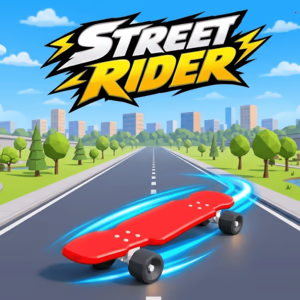
Figure 1. Guide your skateboard through busy streets in Street Rider
Every Turn Brings a New Challenge
Find Your Way Through Moving Traffic
Traffic is one of the main challenges in Street Rider, as cars and other vehicles can quickly narrow the available space. The skateboard must constantly change lanes to avoid collisions, especially on crowded roads or at intersections where vehicles approach from different directions. Players need to watch the distance between vehicles, identify open lanes, and choose the right moment to steer.
Jump, Dodge, and Cross Unexpected Barriers
Along with traffic, roadblocks and other obstacles create situations that demand quick decisions. Some hazards can be avoided by switching lanes, while others require the skateboard to jump at just the right moment. Combining steering with jumping adds variety to the controls, as players must choose how to react based on each obstacle's shape, position, and distance.
Jump timing becomes especially important on sections with several obstacles close together. Jumping too early may cause the skateboard to land right before another barrier, while waiting too long can leave very little room to clear it safely.
Keep Moving as the Road Gets Tougher
The farther the skateboard travels, the more demanding Street Rider becomes. Traffic and obstacles keep appearing, making it harder to maintain a steady rhythm, especially as the speed increases and reaction time becomes more limited.
As the difficulty gradually rises, remembering how to handle familiar situations can be helpful, but it doesn't replace the need to stay alert. Every section requires players to assess what's happening ahead, from vehicle positions to the gaps between obstacles. Staying focused throughout the ride is essential to keeping the skateboard moving and setting new records.
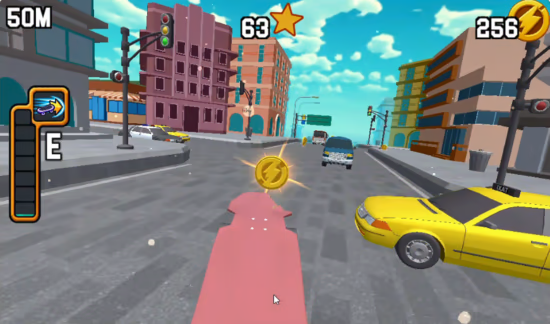
Figure 2. Dodge moving vehicles, navigate road hazards
Small Rewards Along the Road
Coins scattered along the route provide an extra objective alongside avoiding obstacles and covering more distance. Players can choose paths with more coins to collect additional rewards, but every attempt to grab them should be weighed against the risks involved. A coin sitting too close to a moving vehicle may not be worth the danger, especially when there are still plenty of challenges ahead.
The scoring system also encourages players to improve their skills with each attempt. Traveling farther, avoiding unnecessary collisions, and making the most of opportunities along the road can all contribute to better results. Rather than focusing only on the number of coins collected, players need to balance immediate rewards with the goal of achieving a higher score, as taking a safer route can sometimes be more valuable than chasing a difficult pickup.
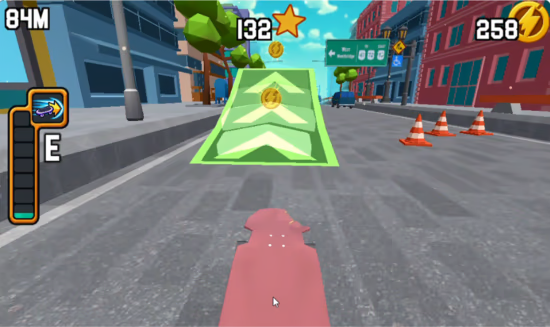
Figure 3. Collect coins and push your distance record furtherr
A City Designed Around Skateboarding
The 3D environment plays a major role in shaping Street Rider's visual style, with a perspective focused on the skateboard and the road stretching out ahead. Vehicles, traffic lanes, and obstacles share a space with a clear sense of depth, helping players judge distances and prepare for their next moves. The skateboard remains the main focus of the screen, while the surrounding environment shifts along with its movement, creating the feeling of a nonstop ride.
The board's movement also defines the pace of gameplay, from lane changes and jumps over obstacles to landings and close calls with traffic. Changes in position and perspective keep the challenges from feeling limited to a flat, repetitive road, while making environmental awareness a natural part of the experience. The combination of urban scenery, traffic, and road hazards creates a fitting setting for a fast-moving arcade game where every stretch of road can bring something unexpected.
Get Comfortable with the Controls
Street Rider features an accessible keyboard control system that lets players steer, jump, and crouch using familiar keys. Learning what each button does makes it easier to handle obstacles smoothly, especially when several challenges appear close together and leave little time to think.
- Left Arrow / A: Steer left
- Right Arrow / D: Steer right
- Up Arrow / W: Jump over traffic and barriers
- Down Arrow / S: Dive or crouch underneath obstacles
- E: Activate your equipped board's special ability
Street Rider – A Different Take on Arcade Riding Games
Street Rider offers a different approach to arcade games centered around road-based movement, replacing conventional vehicles with a skateboard that moves forward automatically. The game focuses on steering, dodging, and reacting to constantly changing situations, creating an experience that demands attention throughout the ride. It shares a few similarities with Moto X3M, although the two games deliver different types of challenges.
While Moto X3M puts players on motorcycles across tracks filled with steep ramps, dangerous traps, and obstacles that require careful speed control, Street Rider focuses on guiding a skateboard through urban traffic. Moto X3M emphasizes acceleration, braking, balance, and midair flips, whereas Street Rider puts more weight on choosing lanes, avoiding vehicles, and timing jumps or crouches. Their different vehicles and control systems create distinct challenges, even though both games rely on quick reflexes and good decision-making.
With 3D visuals centered on the skateboard, a variety of obstacles, and nonstop movement, Street Rider is a solid choice for players who enjoy arcade games with simple controls that still demand concentration. While Moto X3M delivers the thrill of conquering motorcycle tracks packed with traps, Street Rider offers a different kind of ride, where every lane change and jump can determine how far the skateboard travels through busy city streets.